Rohit Prabhakar

I build agentic revenue systems for Fortune 50 companies

  • Digital Transformation
  • Leadership
  • Marketing
  • Writing
  • Home
  • Privacy Policy

Essential Skills for Success in Digital Marketing

January 18, 2024 by Rohit Leave a Comment

Digital marketing is a dynamic and fast-paced industry, with opportunities for creative and analytical individuals alike. As the digital landscape continues to evolve, so too do the skills necessary for success. Here are some key skills that are essential for anyone looking to thrive in the field of digital marketing.

1. Data Analysis

In today’s data-driven world, being able to understand and interpret data is pivotal. Digital marketers must be adept at using various analytics tools to track website traffic, user behavior, campaign performance, and more. This information is crucial in making informed decisions and strategizing effectively.

2. SEO and SEM Skills

Search Engine Optimization (SEO) and Search Engine Marketing (SEM) are critical for improving visibility and reach online. Knowledge of SEO principles, keyword research, and Google AdWords can greatly enhance your digital marketing strategy.

3. Content Creation and Curation

Content is king in digital marketing. Whether it’s writing engaging blog posts, creating eye-catching infographics, or producing compelling videos, content creation is a key skill. Additionally, curating high-quality content from other sources is also important.

4. Social Media Expertise

Social media platforms are a major conduit for brand promotion and customer engagement. Understanding the nuances of different platforms, knowing when and what to post, and being able to engage with followers are critical social media skills.

5. Mobile Marketing

With the majority of internet access coming from mobile devices, understanding mobile marketing is increasingly important. This includes knowledge of mobile-friendly website design, mobile apps, and SMS marketing strategies.

6. Email Marketing

Despite the growth of social media, email remains a powerful marketing tool. Crafting effective email campaigns—complete with compelling subject lines, engaging content, and strong calls to action—is an invaluable skill.

7. Basic Design Skills

While you don’t have to be a professional designer, having basic design skills can greatly help in creating visually appealing content. Familiarity with tools like Adobe Photoshop or Canva can take your digital marketing efforts to the next level.

8. MarTech

MarTech, or Marketing Technology, refers to the software and tech tools marketers leverage to plan, execute, and measure marketing campaigns. Understanding and being able to use these tools effectively is an essential skill for any digital marketer in today’s tech-driven world.

9. Adaptability

Lastly, but perhaps most importantly, is adaptability. The digital marketing landscape is ever-changing, with new trends and technologies emerging constantly. Being able to learn quickly and adapt to change is crucial.

In conclusion, success in digital marketing requires a blend of technical, creative, and strategic skills. While it may seem daunting, developing these skills is feasible with the right mindset and dedication. Remember, the most successful digital marketers are lifelong learners who are always ready to adapt to the latest industry changes.

Filed Under: The Frontier, Trends

What is Bard by Google? How is it different from ChatGPT

February 6, 2023 by Rohit Leave a Comment

What is Bard by Google?

Google’s Bard is a new Artificial Intelligence (AI) technology that allows users to create dialogs and conversations with chatbots. It uses natural language processing (NLP) to understand conversation context and generate responses tailored to the user’s needs. Unlike its predecessor, ChatGPT, Bard focuses on understanding language more holistically, rather than primarily as text. This opens up a range of possibilities for AI-powered conversational interaction. A key question that may come to everyone’s mind or the first question may be: how it compares with ChatGPT. Stay till the end and we will also do the comparison Bard vs ChatGPT.

Here is an article from Google Blog announcing the launch of Bard. I recommend you to read this one.

How Is Bard Different From ChatGPT?

Bard is different from ChatGPT in several ways. Whereas ChatGPT uses a transformer-based model to generate responses, Bard is an end-to-end conversational AI system that uses natural language understanding (NLU), dialog management, and sophisticated dialogue models. Additionally, while ChatGPT requires training data to generate conversation, Bard can generate responses in real time without training.

Another key difference is that Bard can recognize and act on user input, allowing it to respond to commands in addition to generating text. Finally, Bard has the ability to learn and adapt over time, as it is constantly exposed to new conversations and data. This means that its responses will become more accurate and appropriate over time.

Which one is more powerful? Bard vs ChatGPT

It’s difficult to say which is more powerful – both ChatGPT and Bard have their own strengths and weaknesses. In general, ChatGPT is better at generating text-based responses due to its transformer-based architecture, while Bard is better suited for tasks that require natural language understanding and conversation management.

Summary

ChatGPT is a transformer-based language model developed by OpenAI that excels at generating text-based responses to queries. Similarly, Bard relies heavily on NLP algorithms but goes beyond language generation to encompass natural language understanding and conversation management. Compared to ChatGPT, it offers better control over dialogue flow, including the ability to understand complex sentence structures and provide more natural responses. Additionally, Bard can handle different kinds of tasks such as navigation, sentiment analysis and question answering in a more efficient manner than ChatGPT.

This is Google’s answer to competition and threat from OpenAI’s chatbot ChatGPT. This ‘experimental conversational AI service’ (Currently) is called Bard and is only being tested by a limited group of people. We will update this page as more information becomes available. Please subscribe and bookmark to come back and learn the latest on this topic.

Filed Under: Technology, The Frontier, Trends Tagged With: AI wars, Bard, ChatGPT, Google Bard, haiti

AI Impact on Digital Marketing Strategies

February 6, 2023 by Rohit 1 Comment

The world of digital marketing is rapidly evolving, and Artificial Intelligence (AI) is playing an increasingly important role. AI technology has the potential to revolutionize how brands engage with their customers, predict customer behaviors and preferences and optimize content delivery. In this blog post, we’ll look at how AI is transforming digital marketing and discuss the opportunities it presents for businesses in today’s world. Yes it will mature more in coming months and years but here are the areas where it is already making impact!

Processes Automation

One of the most important ways in which AI is impacting digital marketing is its ability to automate processes related to personalization, targeting, and segmentation. By leveraging machine learning algorithms, marketers can identify patterns in customer behavior data more quickly and accurately than ever before. This means that marketers can create highly customized campaigns that are tailored to each individual customer’s needs and preferences.

Customer Insights

AI also has the potential to change how marketers measure success by offering insights into customer behavior that may not have been visible before. By analyzing large amounts of data generated by customers’ interactions with a brand or product, marketers can gain a better understanding of what works and what doesn’t work within their marketing strategy. This allows them to adjust their campaigns accordingly and optimize future efforts for maximum ROI.

Content Creation Assistance

Finally, AI technology has opened up new possibilities for content creation. For example, natural language processing (NLP) can help target a wide variety of audiences by using language models to provide personalized experiences across multiple channels and platforms such as voice assistants or chatbots. As AI continues to evolve, these applications will become even more sophisticated in the near future – offering brands the possibility of creating truly engaging experiences for their customers. Yes you are right ChatGPT is an amazing contender in the category. Have you tried it? What are your thoughts?

In case you need to understand the difference between AI, ML and Deep Learning. Here is an article you will like to read quickly.

In conclusion, AI is revolutionizing digital marketing strategies in numerous powerful ways. Through automation processes such as personalization and segmentation, improved measurement capabilities for campaigns, as well as creative opportunities for content creation- businesses are now able to access more actionable insights than ever before- enabling them to be more effective at reaching their customers on a deeper level.

Yes this article is partially written by AI!

Filed Under: Digital Marketing, Marketing, Marketing Technology, Marketing Technology Guide, The Frontier, Trends Tagged With: AI, artificial intelligence, ChatGPT, marketing strategies, Marketing Technology

When and how to use Performance marketing – benefits for B2B and B2C

January 18, 2023 by Rohit Leave a Comment

Performance marketing is a powerful strategy that allows businesses to maximize their return on investment through targeted and measurable campaigns. By tracking user actions that occur after an ad impression or click, businesses can gain detailed insights into which tactics are working and which ones need improvement. Performance marketing enables companies to focus on ROI instead of impressions and clicks, resulting in more efficient marketing campaigns and higher returns than traditional methods.

What is performance marketing

Performance marketing is an effective form of digital marketing that focuses on achieving specific business objectives. It involves paying for marketing services only when a desired action has been taken, such as when a customer makes a purchase or signs up for a newsletter. Performance marketing is driven by measurable results, and it allows brands to track their return on investment (ROI) more accurately than other forms of advertising.

Performance marketing can take many forms, including pay-per-click (PPC) campaigns, search engine optimization (SEO), affiliate programs, retargeting, and social media ads. Each type of performance marketing has its own unique benefits and challenges. For example, PPC campaigns are quick to set up and can generate immediate results, but they require ongoing management to ensure they remain profitable. SEO takes longer to see results but can provide long-term value if done correctly.

Overall, performance marketing is an excellent way for brands to reach their target audience while controlling costs and maximizing ROI. With the right strategy in place, businesses can maximize their budget while still achieving their desired goals.

Benefits of performance marketing

Performance marketing offers a number of benefits to businesses.

  • It allows them to measure their return on investment (ROI) more accurately than other forms of advertising, and it enables them to tailor campaigns more precisely to target audiences.
  • Performance marketing also requires less upfront investment than other forms of advertising, as companies only pay when desired actions are taken.
  • This makes it a cost-effective way for businesses to reach their target customers.
  • Performance marketing campaigns can be optimized on an ongoing basis based on real-time data, ensuring that businesses are always getting the most out of their budget.

Who should use performance marketing

Performance marketing can be an effective strategy for businesses of all sizes and industries.

  • Brands looking to grow their customer base, acquire new leads, increase conversions, or build brand awareness can benefit from performance marketing.
  • Small businesses with limited resources may find it especially well-suited since they can control their budget and pay only when desired results are achieved.
  • Additionally, performance marketing campaigns can be tailored to meet the specific goals of any business, making it a versatile tactic that can be used to achieve a range of objectives.

How to use performance marketing for B2B and B2C

Performance marketing can be used by both B2B and B2C companies, though the approach may vary slightly depending on the type of business.

Performance marketing for B2B

Performance marketing can be beneficial for B2B businesses as well. Here are some things to consider when looking at performance marketing for a B2B service:

  • Focus on quality over quantity – Performance marketing options such as PPC ads and retargeting campaigns are especially relevant to B2B because they enable companies to target their ideal prospects more precisely.
  • Use A/B testing – Small changes to an ad or landing page can have a big impact on success, so testing different versions of an ad will help you determine which one performs best.
  • Leverage influencers – Influencer marketing is an effective approach for reaching prospects in the B2B space, especially when it comes to tech industry customers.

Performance marketing for B2C

Performance marketing can be highly effective for B2C businesses as well. Here are some tips for leveraging performance marketing for B2C:

  • Make use of social media – Leverage social media platforms like Facebook and Instagram to reach potential customers in a cost-effective way.
  • Leverage targeting methods – Targeting methods such as geotargeting, retargeting and demographic targeting allow you to focus your ads on the most relevant potential customers.
  • Implement creative campaigns – Creative campaigns with visually appealing content can engage potential customers and increase conversions.

When to use performance marketing

Performance marketing can be used at any stage of a business’s growth, from start-up to mature enterprise. It is especially effective for businesses looking to acquire new leads or increase their customer base, as well as those needing to reach specific audiences quickly or expand into new markets. Performance marketing campaigns are also ideal for small businesses with limited budgets since they are cost-effective and only require payment after desired results have been achieved.

When NOT to use performance marketing

Performance marketing is not always the best solution. Here are some reasons why you should avoid performance marketing:

  • If you want to reach a very small and niche audience – Performance marketing campaigns are better suited for targeting large audiences, and may not be worth the effort when it comes to tiny niches.
  • If your product or service has a long sales cycle – Performance marketing works best when people can make an immediate purchase decision, as opposed to requiring several weeks of research or convincing before buying.
  • If you have a limited budget – Performance marketing can be quite expensive and may not provide enough ROI for businesses with smaller budgets.

How to execute performance marketing

Performance marketing requires careful planning and strategic execution in order to succeed. Here are the steps to execute a successful campaign:

  1. Define Goals: Determine what your desired outcome of the performance marketing campaign is, such as lead generation, customer acquisition or market expansion.
  2. Set Budget: Decide how much you’re willing and able to spend on your performance marketing campaign.
  3. Select Channels & Audience Targeting: Carefully select the channels where your ads will be placed, as well as who you’d like to target with them (e.g., buyer personas, demographics etc.).
  4. Develop Creative Assets: Design creative assets that can be used for the ads, including images, text and video content.
  5. Launch Campaign & Monitor Progress: Put the campaign live and track its progress in real-time by collecting data from multiple sources including social media sites, ad networks and web analytics platforms.
  6. Analyze & Adjust Campaigns Regularly: Analyze all collected data on a regular basis in order to make any necessary adjustments or changes to ensure maximum efficiency from your performance marketing campaigns.

Key metrics for a successful performance marketing programs

Key metrics to measure the success of a performance marketing program include:

  • Cost per Acquisition (CPA): The average cost spent to acquire one customer.
  • Conversion Rate: The percentage of people who complete the desired action, such as signing up for an email list or making a purchase.
  • Return of Ad Spend (ROAS): The amount of revenue generated relative to the money spent on the advertising campaign.
  • Customer Lifetime Value (CLV): The total revenue generated from a customer over their lifetime.
  • Quality Score : A metric used by Google Ads and other advertising networks that indicates how well an ad performs in terms of relevance, expected clickthrough rate and ad quality.
  • Impressions and Clicks: The number of times an ad was viewed and clicked.
  • Click-through rate (CTR): It tracks how many people have clicked on an ad or link relative to the number of people who have seen it. CTR is an important indicator of both engagement and success, as it directly reflects how well a particular ad is performing.
Key metrics for a successful performance marketing

These metrics are essential for evaluating performance marketing campaigns and ensuring that they are providing a positive return on investment. By measuring these metrics regularly, businesses can make necessary adjustments or changes in order to improve their campaigns and maximize their ROI.

How to get strong ROI in performance marketing

Here are some ways to get strong ROI from performance marketing:

  • Focus on quality leads – Quality leads are more likely to convert, so make sure you take a careful and targeted approach to lead generation.
  • Monitor performance metrics – Regularly track and monitor performance metrics such as click-through rate (CTR), cost per click (CPC), and return on ad spend (ROAS) to identify areas for improvement.
  • Leverage automation – Automated tools like ad fraud detection, AI recommendation tools and dynamic creative optimization can help you achieve better results with less effort.

Marketing technology that can help you with performance marketing

Here are some marketing technologies that can help with performance marketing:

  • Ad fraud detection – Ad fraud detection tools can help identify and remove fraudulent ads, ensuring a higher ROI on performance campaigns.
  • AI recommendation tools – AI recommendation tools can analyze your customer data and provide personalized recommendations for ad targeting.
  • Dynamic creative optimization – Dynamic creative optimization (DCO) tools can optimize ad creative to ensure the right message is displayed to the right customers at the right time.
  • Performance Marketing Platforms – Performance marketing platforms such as Google Ads, Bing Ads and Facebook Ads help you manage campaigns more effectively and measure results.What marketing technology vendors play in performance marketing space

Filed Under: B2B Marketing Strategies, Digital Marketing, Marketing, The Frontier, Trends Tagged With: B2B Marketing Strategies, b2c marketing, marketing, Performance Marketing

Top Strategic Technology Trends – For CIOs | Not From Gartner

January 17, 2023 by Rohit Leave a Comment

As technology continues to evolve at a rapid pace, the role of the Chief Information Officer (CIO) is changing drastically. While some CIOs are still focused on traditional IT management tasks such as hardware and software installation and maintenance, they now must also be prepared to embrace new technology trends that could shape their organization’s future. In this article, I will examine some of the top Strategic technology trends in 2023 that every CIO should consider carefully when making strategic decisions for their business. We will discuss cloud computing, artificial intelligence, data analytics, and other current trends in information technology so that you can stay ahead of these trends and understand how they might impact your information technology operations in the near future.

Cyber Security

Cyber security has become top strategic technology trends important for CIOs in recent years, as the number of cyber threats and attacks have grown. The rise of sophisticated malware, malicious actors, and digital theft means that organizations must take steps to protect their systems and data. In 2023, CIOs will be expected to stay on top of the latest trends in cyber security and ensure that their organization is prepared for any potential threats. This means implementing the latest security protocols and investing in new technologies to detect, monitor, and protect against possible attacks.

Data Loss Prevention (DLP)

Data Loss Prevention (DLP) is one of the most important areas for CIOs in 2023. Data loss prevention systems are designed to detect, monitor, and protect sensitive data from unauthorized access and manipulation. These systems can identify potentially dangerous activities such as intentional or unintentional misuse of data, and alert administrators so they can take corrective action.

As technology continues to evolve, the threat of cyber attacks is increasing. Cyber criminals are becoming more sophisticated in their methods and organizations must take steps to protect themselves from these threats. Traditional security protocols may not be enough to keep up with the latest trends in cybercrime.

Penetration testing

Penetration testing can help organizations stay ahead of potential threats by proactively identifying weaknesses in their systems before they can be exploited by malicious actors. This type of testing simulates real-world attacks and provides valuable insight into how an organization’s systems can be compromised. By regularly conducting penetration tests, CIOs can ensure that their organization is prepared for any potential attack and reduce the risk of data loss or theft.

Secure software development

Secure software development has become increasingly important for businesses in 2023. As more organizations rely on digital systems and networks, the risk of data loss or theft is greater than ever before. In order to protect their information from malicious actors, CIOs must ensure that their software development processes are secure and up-to-date. This means regularly auditing their software development lifecycle and making sure that their systems are secure from the start.

Identity and Access Management (IAM)

Identity and Access Management (IAM) is one of the most important trends for CIOs in 2023. As organizations become increasingly digital and interconnected, they must be able to rapidly identify, authenticate, authorize and manage access to their systems and resources. This requires a robust IAM system that is secure and reliable enough to protect against potential threats.

Incident response and forensic analysis

Incident response and forensic analysis are two areas that CIOs must be familiar with in 2023. As technology continues to advance, the potential for cyber attacks increases, and it is essential that organizations have the appropriate measures in place to deal with these incidents quickly and effectively. Incident response is the process of identifying, containing, and mitigating a security incident. Forensic analysis is the process of examining evidence to determine how an incident occurred and who or what was behind it. CIOs must understand these processes and have the necessary expertise to respond quickly and effectively to any potential cyber threats.

Ongoing Monitoring

Deploying ongoing monitoring is an essential part of any organization’s cyber security strategy. While it is important to stay ahead of potential threats, CIOs must also have the tools in place to continuously monitor their systems and data for suspicious activities. By deploying ongoing monitoring, CIOs can promptly identify and respond to any potential threats that arise and protect their organization from the consequences of a cyber attack.

In the face of an increasing number of cyber attacks, having secure backups is essential for organizations in 2023. Having a secure backup system in place helps to ensure the integrity and availability of data in the event of a security breach or system outage. CIOs must be aware of the importance of having a secure and reliable backup system in place and should take the necessary steps to ensure that their organization’s data is backed up regularly.

Continuous Modernization – Cloud Computing

Continuous modernization of IT is becoming increasingly important for CIOs in 2023. This involves constantly evolving and adapting existing IT systems, services and infrastructure to meet the changing needs of businesses. It requires a proactive approach to ensure that organizations remain competitive and relevant in an ever-evolving digital marketplace. This is is table stakes when it comes to top strategic technology trends.

The key challenge here is finding the right balance between cost and performance when it comes to continuous modernization. In order to strike this balance, CIOs must be able to determine which systems need upgrading and what technologies should be implemented in order to ensure optimal performance and efficiency while minimizing costs.

Cloud Computing

Cloud computing continues to be an important technology for CIOs in 2023 but with lot more focus on Return Of Investment (ROI). Cloud computing provides organizations with a cost-effective way to store, process and access data from anywhere in the world. It enables businesses to quickly scale up their operations while providing them with access to powerful computing resources. At the same time it comes with prices shock as the usage grows and these projects move from project to operate mode. It is essential that CIOs do long term cost analysis, planning and have governance programs to keep the usage at optimum levels.

Cloud Usage Governance

As businesses increasingly rely on cloud computing to store and process data, cloud usage governance has become an essential part of any CIO’s strategy. Cloud usage governance is the process of establishing policies and procedures that ensure that cloud usage remains within acceptable limits and that the organization’s data is always secure and compliant with industry regulations. This requires CIOs to monitor cloud usage and ensure that all users adhere to the established policies.

Stayed ahead of the latest trends in cloud computing to ensure that organizations remain competitive and relevant by proactively monitoring usage, establishing policies and governance procedures, and performing long term cost analysis.

Edge Computing

Edge computing is a distributed computing paradigm that focuses on bringing computing resources and services closer to the edge of the network, or closer to the user. This helps reduce latency and improve performance by reducing network congestion and eliminating the need for data to be stored and processed at centralized locations.

Edge computing is becoming increasingly important as companies strive to create smarter and more connected environments. As AI-enabled technologies become more widely adopted, businesses are relying on edge computing in order to process data faster, respond quickly to customer requests, improve customer satisfaction, and better manage their connected devices.

Edge computing is especially beneficial for CIOs because it enables them to build resilient architectures that are secure, cost effective, and able to support the growing demand for digital services. By taking advantage of distributed computing systems such as microservices, CIOs can ensure that applications can scale up or down quickly when necessary. Edge computing also enables an organization’s IT infrastructure to reach beyond its existing physical boundaries in order to meet business goals faster and more effectively.

Speed and Agility of CIO Teams

As technology continues to evolve, the role of the Chief Information Officer (CIO) is becoming increasingly complex. CIOs are now expected to stay on top of a wide range of trends and technologies in order to ensure their organization remains competitive and relevant. Hence this is one of the most important out of all the top strategic technology trends.

Speed and agility are essential traits that CIOs must possess in order to stay ahead of the competition. With the constant evolution of technology, CIOs must be able to quickly adapt to new developments and successfully integrate them into their organization’s operations. This means having a set of processes in place that allow for rapid changes, rapid decision making, and the ability to act on opportunities quickly. It also requires CIOs to stay informed about the latest trends so that they can make decisions based on up-to-date information.

The challenge for CIOs is that these trends can change rapidly, making it difficult to keep up with them all while still managing traditional IT tasks such as hardware and software installation and maintenance. This can lead to costly mistakes if not managed properly.

DevOps

DevOps provides an effective solution for this problem by allowing organizations to quickly adapt their systems, services, and infrastructure in response to changing needs. By automating processes such as code deployment, testing, monitoring, security updates, and more; DevOps enables organizations to remain agile in the face of rapid technological changes. It also helps reduce costs associated with manual labor while improving efficiency across the board. With DevOps tools like Chef or Puppet at your disposal you will be able to easily manage your IT operations without sacrificing speed or agility.

Agile Development

CIO teams should continue to be proficient in agile development in order to remain competitive. Agile development is an iterative approach to software engineering which utilizes small teams and short time frames for the completion of projects. It emphasizes rapid feedback cycles, continuous improvement, and collaboration between teams. Product management focuses on understanding customer needs and developing products that meet those needs. It is a critical component of agile development and requires CIOs to be familiar with product design, user experience, stakeholders, competitors, market trends, and more.

Use of Data Analytics in Information Technology (IT)

Data Analytics is rapidly becoming an essential tool for CIOs in 2023 and beyond. With the growth of big data, organizations now have access to vast amounts of data that can be leveraged to make smarter decisions. By using analytics tools and techniques such as machine learning, predictive analytics, and reporting tools, CIOs can gain valuable insights that can help shape their organization’s future. By leveraging data in this way, CIOs can make decisions that are informed by facts rather than assumptions and increase the efficiency of their organization’s operations.

Data and analytics can help CIOs improve customer service across their organization. By leveraging data and analytics tools, CIOs can gain valuable insights into the customer experience, identify areas for improvement, and take action to make the necessary changes.

Data and analytics play an increasingly important role in understanding customer needs. By leveraging data and analytics, CIOs can gain valuable insights into customer behavior, preferences, and trends. This knowledge can be used to inform product design, marketing campaigns, customer service initiatives, and sales strategies.

One of the most effective ways to use data and analytics in customer service is through sentiment analysis. This involves analyzing customer feedback to gain insights into customer sentiment and identify potential areas of improvement. By leveraging sentiment analysis, CIOs can help the customer service organizations take the necessary steps to improve customer service and create a more positive experience for their customers.

With the growth of big data, organizations now have access to vast amounts of data that can be leveraged to inform decisions in marketing and sales. By using analytics tools and techniques such as predictive analytics, machine learning, sentiment analysis, and reporting tools; CIOs can gain valuable insights that can help shape the future of their organization.

Increased Efficiency & Productivity

By leveraging data, CIOs can gain valuable insights into their organization’s operations and identify areas for improvement that could lead to increased efficiency and productivity. For example, analytics can be used to analyze employee performance and identify areas of inefficiency. By leveraging analytics to monitor employee performance, CIOs can identify patterns and take steps to improve the efficiency of their organization’s operations. This could involve implementing training programs for employees, introducing new technologies or processes, or streamlining current practices.

Code Quality and Improvement

Data and analytics can also play a crucial role in code quality and improvement. By leveraging analytics tools and techniques such as static code analysis, dynamic code analysis, and log file analysis; CIOs can gain valuable insights into the performance of their applications and identify areas for improvement.

Budget Management & Optimization

Data and analytics are increasingly being used by CIOs to effectively manage their organization’s budget and performance. By leveraging data, CIOs can gain valuable insights into their financial situation as well as areas of opportunity or inefficiency. One way CIOs can use data to improve budget management is by creating forecasts and projections. By creating forecasts and projections, CIOs can accurately plan their budget for the coming year. This helps to ensure that their organization is making the most of its resources and remains financially secure in the future.

Application Performance & Load Management

Data and analytics are also becoming increasingly important in load and performance management. Load testing is the process of assessing a system’s ability to handle high levels of usage and determine its performance under peak conditions. It is essential for CIOs to have the tools and expertise necessary to accurately assess their system’s load capacity and identify any bottlenecks or areas of inefficiency. By leveraging data and analytics, CIOs can gain valuable insights into their system’s performance and take the necessary steps to optimize it for better performance.

Artificial Intelligence – A top strategic technology trends

Artificial intelligence (AI) is a rapidly growing technology that is reshaping business operations and the way organizations interact with customers. AI enables organizations to automate many of their core processes, such as marketing and customer service, leading to increased efficiency and cost savings. AI also provides businesses with powerful insights into customer behavior, allowing them to tailor their products and services to meet customer needs more effectively. As such, CIOs must understand the potential impact of AI on their organization’s operations and develop strategies for successful adoption of this technology.

AI for IT Operations (AIOps)

AI for IT Operations (AIOps) is becoming increasingly important for CIOs in 2023. AIOps is a combination of automation and artificial intelligence (AI) technologies that enable organizations to monitor, analyze and respond to their IT operations more effectively. By leveraging AI and machine learning algorithms, AIOps can help CIOs identify potential problems in their IT infrastructure before they occur, as well as quickly diagnose and remediate any issues that do arise.

CIOs should also be aware of the potential impact of AI on customer service. By leveraging AI technologies such as natural language processing (NLP) and chatbots, organizations can dramatically improve their customer experience.

Robotic Process Automation (RPA) – top strategic technology trends

Robotic Process Automation (RPA) is a rapidly evolving technology that has the potential to drastically improve the efficiency of organizations. RPA allows organizations to automate repetitive, mundane tasks that are currently carried out by humans. By leveraging artificial intelligence (AI) and machine learning algorithms, RPA enables organizations to replicate human behavior in order to increase efficiency and free up resources for more complex tasks. CIOs should understand the potential impact of RPA and ensure that their organization is prepared to take advantage of this technology.

AI for Quality Assurance

AI for Quality Assurance is an area of technology that is rapidly gaining traction in 2023. Quality assurance (QA) is a crucial part of any organization’s operations and is essential for ensuring products and services meet the required standards. AI-driven QA solutions are designed to help organizations automate many of the manual processes associated with quality assurance, leading to improved accuracy and efficiency. CIOs must understand the potential impact of AI-driven QA solutions and ensure that their organization is prepared to take advantage of them.

Sustainability – top strategic technology trends

Sustainability is a key trend for CIOs in 2023 and beyond. With the rise of environmental challenges, businesses are looking for ways to reduce their carbon footprint and create sustainable practices that will benefit both their operations and the environment.

At its core, sustainability involves reducing the amount of resources used to produce goods or services and finding ways to use resources more efficiently. To achieve sustainability, CIOs must embrace technologies such as green computing, energy efficient data centers, and renewable sources of energy. By leveraging these technologies, businesses can reduce their impact on the environment while also improving their bottom line.

Conclusion on top strategic technology trends

The role of the Chief Information Officer has changed drastically as technology continues to evolve at a rapid rate. It is essential that CIOs stay ahead of these trends and understand how they could potentially shape their organization’s future. In this article, we discussed some of the top trends for 2023 including cyber security, cloud computing, data analytics, artificial intelligence (AI), speed & agility, and sustainability. These topics are critical for any business looking to remain competitive in today’s digital landscape. By staying informed about these trends and implementing strategies for successful adoption, CIOs can ensure that their organizations will remain on the cutting edge now and into the future.

Filed Under: Leadership, Technology, The Frontier, Trends Tagged With: CIO, CTO, IT STrategy, Tech Trends, Tech Trends 2023, Technology Leadership, Technology trends 2023

Life Changing Leadership lessons From My Wife And Daughter

January 11, 2023 by Rohit Leave a Comment

2022 ended for our family with a beautiful trip to Las Vegas and 3 national parks around. In 7 days we visited Zion National Park (should be on your must go places), Grand Canyon National Park and Death Valley National Park. We made lots of memories as a family and at the same time we learnt few things too. As I reflect back there are Life Changing Leadership lessons that I will apply in my daily professional life especially in capacity of a leader. As leaders we are responsible to bring the best out of our teams. Irrespective of the situation we must create “conditions of success”. As my wife led my daughter successfully through a challenging part of the trip, here are few things I learnt how she led. 

During our visit to Grand Canyon we decided to also visit the lower antelope canyon in Page, AZ. Lower Antelope Canyon is a stunning and spectacular place that you have to witness in person. It’s a place where picturesque colors and formations of the canyons will leave you mesmerized and without words. With well-worn paths, the views of these majestic canyons let visitors take their breath away with breathtaking colors which range from light pink to mustard yellow. With its narrow walls and sinuous curves, Lower Antelope Canyon provides an environment filled with beauty, tranquility, peace and serenity. 

But there is a catch! Visiting Lower Antelope Canyon can be both a thrilling and challenging experience. The canyon is approximately 120 feet deep, with narrow walls that can reach up to 70 feet high. There were set of long stairs and few were extremely steep with short steps. If I remember it right there were more than 5-6 flight of stairs I expected my daughter who is 7 year old to refuse to climb down and was ready to end the tour before it started. But that didn’t happen! She was scared and crying, on my wife’s encouragement, physical support and guidance to focus on just one step at a time she climbed down all the crazy flight of steep stairs. My daughter also has phobia for floating stairs as these don’t have the risers. 

It all started with my wife encouraging and pushing her little hard to try sharing that she will be below her and watch every step. It took some time to persuade her and then she acted as promised. On very step she told my daughter how well she was doing and only few more stairs were left. At the completion of each flight we all celebrated her win and shared how brave she was as she just overcame her fear. Some hi-fis were also exchanged.

After the flight #3 the big challenge arrived, a long, steep stairs with very short steps. You must descend these steps facing the stair like a ladder. This was an absolute No No! After spending few minutes and reminding my daughter of her recent win and especially how less challenging it became after she overcame her fear, my wife was able to persuade her again. This time she had to enlist me also to tell her that we both were covering for her. 

And it worked! We enjoyed the canyon and it came the best part of our vacation and now memories. My daughter has a new confidence. During our drive back to Vegas from Antelope canyon she shared that she is never going to let fear stop her from doing things that she must do (too much for 7 year old, time will tell). But we have been able to use this to remind her anytime she fears any thing. She had fear of skiing and has been pushing hard to not learn it. I am happy to share that she was able to overcome it in last 3 weeks and now enjoys learning ski and ready for her next lessons. 

Daughter learning Skiing

Here are the key Life Changing Leadership lessons I learnt from my wife and daughter

One step at a time

One of the most important leadership lessons I learnt is to focus on one step at a time to overcome fear of a large task. This means that rather than trying to do all or everything at once, and in a rush, it is far wiser to take things slowly and methodically; this allows for more effective decision making and problem-solving. Especially this is very important when you or your team member is taking a new challenge for the first time or is taking over a task that has very high risk.

Provide confidence, counseling and support

Having the back of your team means providing them with the resources and tools to achieve their goals, as well as offering moral support when they face difficulties. As a leader, it is important to show your team that you are confident in their abilities and have faith in their capacity to succeed. Being available to provide encouragement and counsel can go a long way to helping people confront their fears and doubts, as well as improve morale. This also allows team members to feel a sense of security in the work they do, which can help bring out their best performance.

Celebrate each small win – Life Changing Leadership lessons

Celebrating each small win is a great way to recognize the successes of team members and can be a powerful motivator. Every successful step in the right direction should be celebrated and recognized, no matter how small it might seem. Doing this will help boost morale, increase collaboration, and promote a sense of camaraderie within the team. Additionally, it will help demonstrate to team members that their efforts are appreciated, which can go a long way in helping them feel valued and motivated.

Remind recent win and encourage to take more risks

Reminding team members of their recent successes and encouraging them to take more risks can be an essential part of a successful leader’s strategy. Through this, leaders can remind team members that their efforts were not wasted, and that they have the ability to succeed. It can also help people gain confidence in their own abilities and skills, enabling them to take on bigger tasks in the future. Additionally, this can help people develop a more positive attitude and outlook towards their work, leading to better performance.

Leaders should take these lessons to heart and strive to always support and encourage those around them. By providing confidence, counseling and celebrating each small win, team members will feel empowered to take on big tasks with the assurance that their leader has faith in them. Additionally, by reminding team members of their successes, it can help instill a sense of enthusiasm and determination to take on greater challenges. This can lead to positive outcomes for both leaders and team members alike. Ultimately, taking these leadership lessons into account will allow any leader to succeed in inspiring and motivating their team.

Filed Under: Leadership, The Frontier Tagged With: Leadership, life lessons

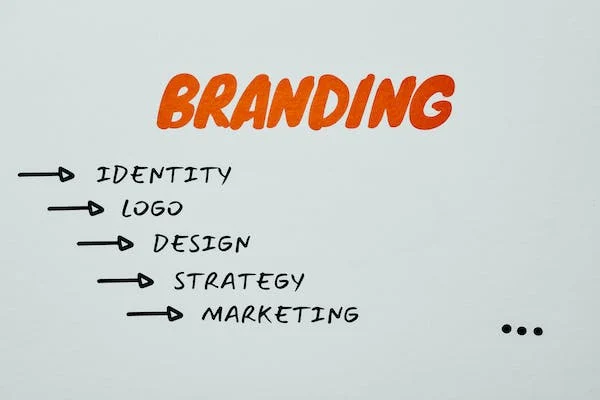
What is Brand Positioning in Marketing and How to Get it Right

December 15, 2022 by Rohit Leave a Comment

Your brand’s name should be a reflection of your company, but that doesn’t mean you have to choose the first name that pops into your head. Just as you want your customers to remember you, you want your brand name to serve as an easily recognized symbol of your business and its promise to consumers.

Brand positioning in marketing can mean many things, depending on who you ask and what industry they’re in, but it all boils down to one thing—building equity in your brand so that it becomes synonymous with the best products or services in your niche.

Branding can be tricky. With so many competitors, the pressure is on to produce a brand that stands out from the pack. One way of achieving this is using a clever name for your business, one that encapsulates your identity or reflects your values. Brand names for sale abound online, but before buying, it’s important to consider how well this name will work with your brand.

Take these three examples of brand names as an example. Aardvark Apparel is a great name if you’re looking to start an ecommerce store selling clothes and accessories, but it might not work so well if you’re looking to sell makeup.

The same could be said of Acme Inc., which doesn’t necessarily convey what kind of company Acme is without some additional explanation. Meanwhile, other brand names, such as Cascadia, are strong because they use familiar words like ‘cascade’ and evoke feelings of waterfalls and mountains.

As consumers, we react emotionally to certain words, especially those rooted in memories or previous experiences. At least 95% of consumers’ purchasing decisions are based on emotion. In order to help businesses build their brand properly, it’s important that they understand what emotional response they want their brand name to evoke. It’s worth taking time and care when choosing a brand name for sale so you don’t end up spending time and money rebranding later on.

What is brand positioning?

Brand positioning is a marketing strategy that defines your brand’s place in consumers’ minds. It answers questions like:

  • Who are we?
  • What does our company do?
  • Who are our competitors?
  • What makes us different from them?

The goal of good positioning is that consumers should be able to answer these questions without having to think about them for too long. This way, you can differentiate yourself from competitors without much effort on your part, which should save ample resources, including time and money, in the long run.

Why is brand positioning important?

Brand positioning can be a daunting task, but it’s one that will distinguish your company from the competition. It’s important because it shows potential customers what you’re about and how you compare to other brands.

You want your brand name to say something about who you are or at least not make people think of other things when they hear the name. For example, we all know Tide as a laundry detergent, but Tide also makes dish soap and fabric softeners. 

And even though all three products have the same logo, most people don’t usually think about Tide when they’re washing dishes or clothes with their soap/softener. But if you’re looking for laundry detergent, then Tide comes to mind first. In other words, each product has its place registered in our brains.

This is something you must constantly have at the back of your mind as you craft your brand name, whether through brainstorming or using a brand name generator.

Now let’s touch on examples of brands using their brand positioning well:

Disney

Walt Disney created Mickey Mouse himself and used it in almost every Disney-branded product. The mouse became the face of the brand early on and continues to live up to his namesake today.

Apple

Apple’s brand positioning centers around sleek design and superior quality. They use “Think Different” as their slogan, reflecting their motto ‘think different.’ Apple believes its customers need to think differently about their competitors’ brands.

Brand names for sale are very important in marketing as it sets your company apart from other businesses in your industry.

  • Brand position before anything else,
  • Always stay true to yourself and
  • Never forget who you really are

Conclusion

Branding is a must for any small business. It will give you an identity, differentiate your product from the competition, and create a unique brand name for sale. It should be done strategically so that you can achieve your short-term goals while also positioning yourself for success in the long run.

This is guest post

Grant Polachek is the head of branding at Squadhelp.com, a 3X Inc. 5000 company that provides groundbreaking naming services. Squadhelp has analyzed over a million names and put together a list of the top names that are currently on the web. We are also the #1 crowdsourcing naming provider in the world, helping Fortune 500 organizations and early-stage ventures.

Filed Under: Marketing, The Frontier

  • « Previous Page
  • 1
  • …
  • 15
  • 16
  • 17
  • 18
  • 19
  • …
  • 28
  • Next Page »

Copyright © 2026 · Genesis Framework · WordPress · Log in