

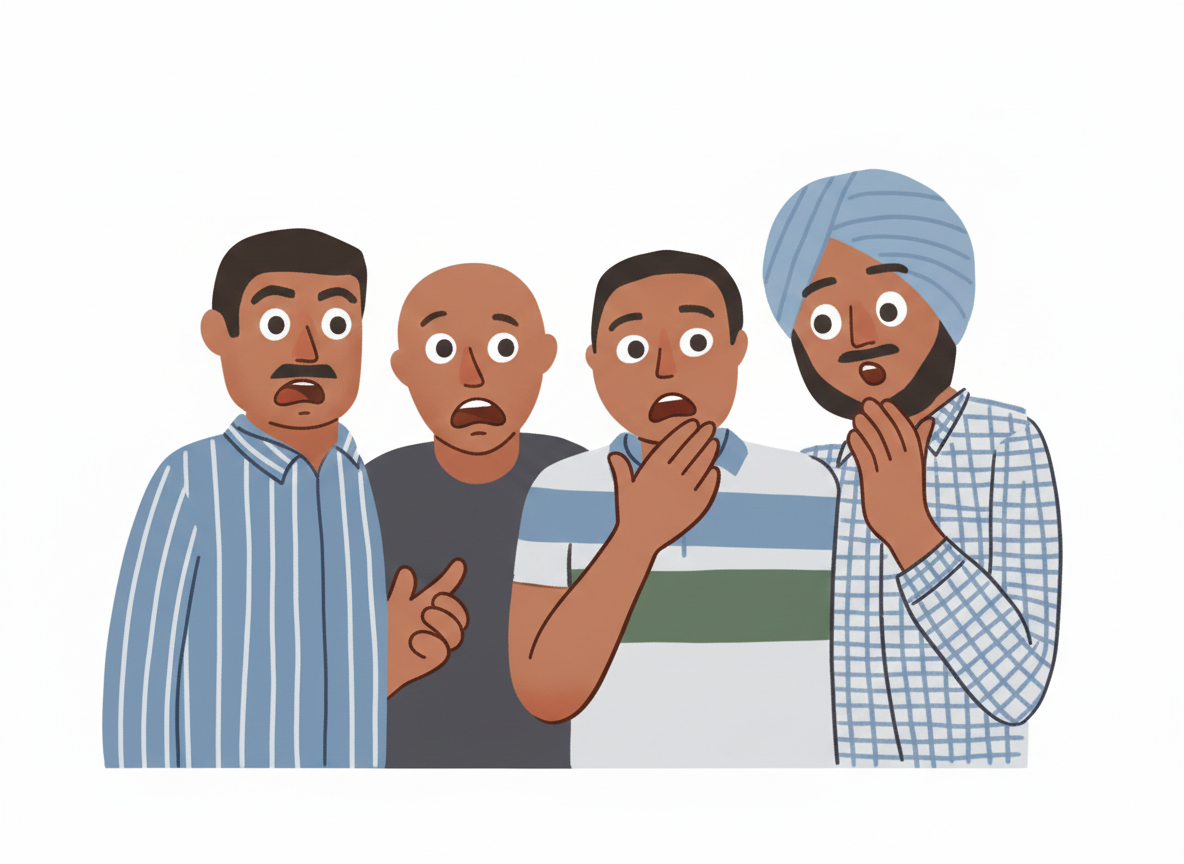
In my first three years on the job, I worked on web applications. One night around 1:00 AM in India, we were giving a live demo to our biggest client in the US.
Everything was fine until a small data issue came up. We told the client we needed a five-minute break, left the call, and my tech lead asked me to refresh the folder and rebuild the project quickly.
I was nervous and rushed. Instead of rebuilding, I accidentally ran an rm -f command on the main project folder.

The whole project was gone. Back then, there was no GitHub to simply pull the code again. I had deleted everything right in front of my CEO, with our biggest client waiting on the call.
I thought I would be yelled at or even fired on the spot. But that’s not what happened.
My CEO stayed calm and simply asked, “What can we do to recover?” He didn’t blame me or make me feel worse. We found a backup on a CD, restored the project, and ten minutes later, we were back on the call. The demo ended well.
At 3:00 AM, before leaving the office, I went to the CEO’s room to apologize. I felt ashamed. He looked at me and said, “It is OK, just don’t do such a mistake again.”
That moment changed my career.
Because he didn’t yell or single me out, he gave me what people now call “psychological safety.” I was no longer afraid to try new things. That safety helped me move from tech into business and keep innovating. Surprisingly, no one of my team and especially my tech lead yelled at me too or got angry. We are still friends and they still make fun of me :). That was the team’s culture, and I always try to create the same for my teams.
Since then, I’ve used the same approach with my own teams. I don’t yell or look for someone to blame when things go wrong. Because of this, my teams are some of the most innovative and resilient I’ve seen. They work together because they know I support them, even if they make a “1:00 AM mistake.”
If you want your team to be bold, you need to let them fail without fear. At the same time, forgiveness is not about not expecting accountability. I clearly heard in that message from my CEO that don’t do it again. If someone repeats the same mistake or makes a critical error without learning, I make sure to have an honest conversation with them about what went wrong and how to prevent it in the future.
